

HISTORYHistory of the Lakes District Hospital
Lakes District Hospital in Frankton has transitioned from a rustic goldfields hospital into a modern rural healthcare hub over its 160-year history. The hospital’s development directly mirrors the evolution of the Wakatipu Basin from an isolated colonial mining district into a booming international tourist destination.
HISTORYThe Gold Rush Era (1860-1890’s)
1860: Explorer William Gilbert Rees first established a high-country sheep station in the Wakatipu area.
1862: The discovery of gold in the Arrow River triggered a massive influx of prospectors.
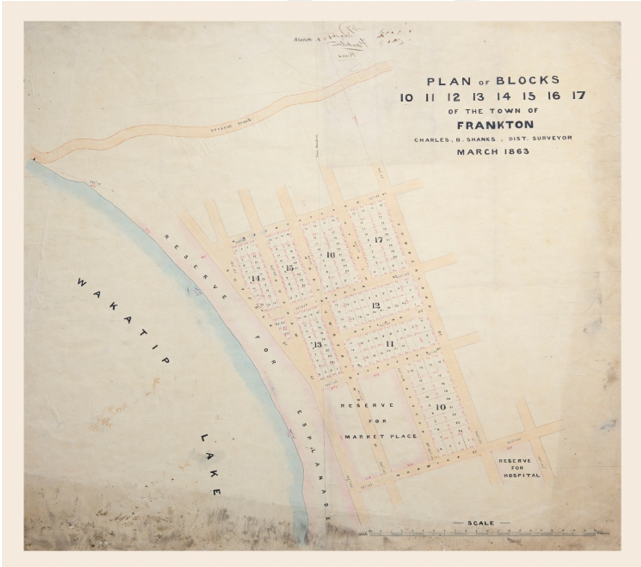
1863: A Survey Map was produced showing the proposed layout of Frankton with a specific plot reserved for a hospital (bottom right).
Following the 1862 gold discovery on the Shotover River, a massive, transient population of miners poured into the area. While the immediate canvas-and-timber township of Queenstown held several thousand residents, the wider Wakatipu goldfields district surged to over 22,000 people at its absolute peak in 1863.
September 1863: The original Frankton Hospital opened to service the rapidly expanding goldfields. This was built on the same site as the current Lakes District Hospital stands.
Early Operations: In its first six months, the hospital treated 391 patients for common goldfields ailments like scurvy, dysentery, pleurisy, pneumonia, diphtheria, typhoid, frostbite and mining accidents.
Medical Leadership
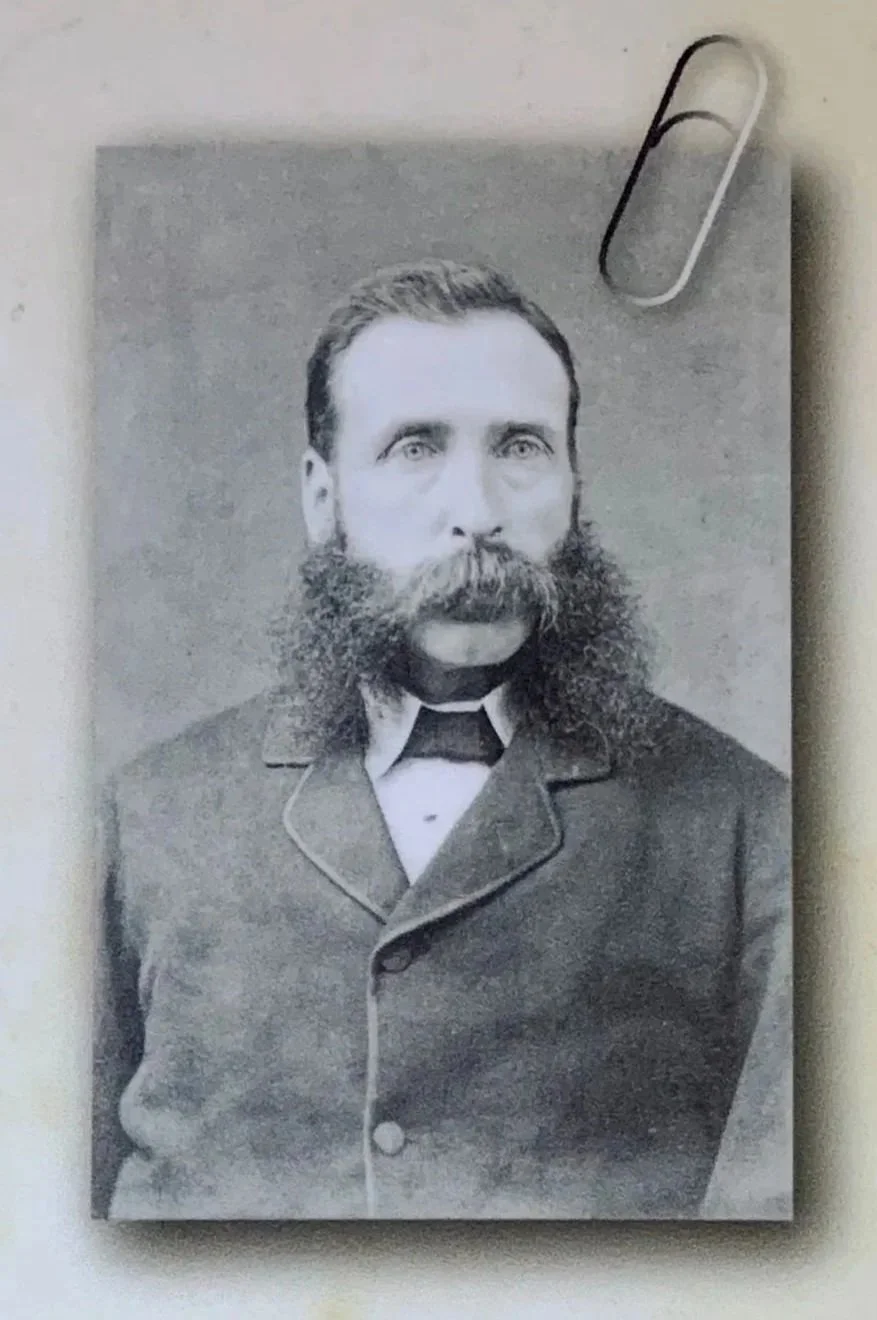
Dr James Douglas, who initially practised in Arrowtown, relocated in 1864 to become the medical superintendent of the Frankton Hospital, a position he held for 46 years.
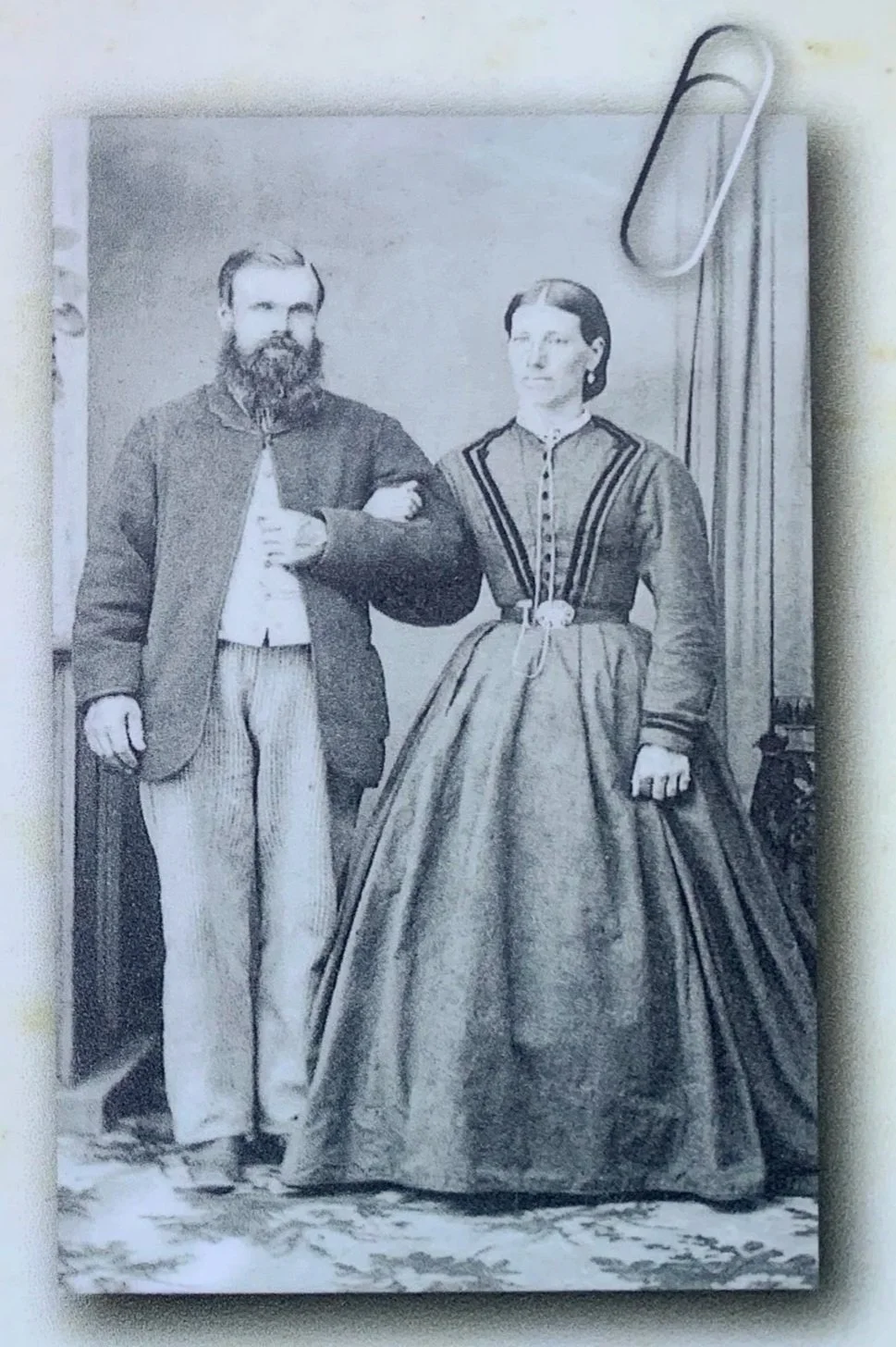
Mrs Cartright, who was the first matron of Frankton Hospital when it opened in 1863 pictured with her husband, who was the first wardsman.
1894: The Fire
In 1894, a devastating fire completely destroyed the original Wakatipu District Hospital building in Frankton. This single event sparked a major political battle between rival local towns over the future of regional healthcare.
The Destruction of the Hospital
The Blaze: The fire broke out in 1894 and quickly tore through the colonial wooden structure, reducing the original 1863 goldfields hospital building to ashes.
The Relocation: Following the total loss of the facility, County Council buildings located in nearby Queenstown had to be hastily repurposed into a temporary hospital ward to treat local patients.
The Regional Rivalry
The Inspector's Proposal: Following the fire, the national Inspector of Hospitals suggested that the government should not rebuild the Frankton facility. Instead, he proposed that the nearby Arrow Hospital in Arrowtown could permanently absorb and serve the entire Wakatipu community.
Local Backlash: The residents of Queenstown fiercely resisted this plan. They refused to lose their dedicated local medical facility to their geographic rivals in Arrowtown.
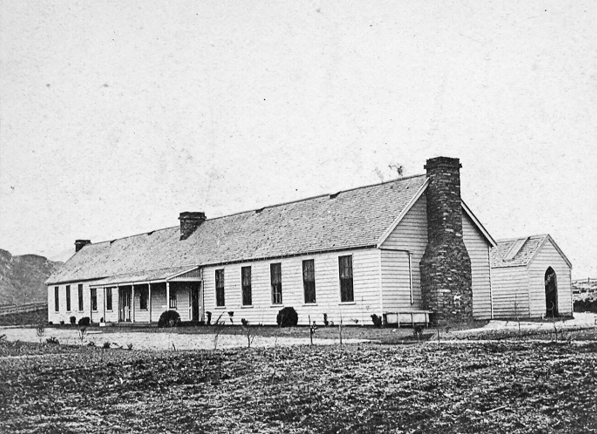
Frankton Hospital 1863
The Rebirth of the Hospital
Insurance Funds: Queenstown residents successfully fought the proposal. They secured the payouts from the fire insurance policy to help finance an entirely new build.
A New Building: The insurance money allowed a replacement hospital to be constructed right back in Frankton. This post-fire building proved highly durable, serving the Wakatipu Basin's medical needs for nearly a century until the modern facility was opened on September 28, 1989.
The Cause of the 1894 Fire
Like many colonial infrastructure disasters, the total destruction of the original 1863 Wakatipu District Hospital building was a byproduct of the era's reliance on open flames and flammable building materials.
The Origin: The fire broke out in late 1894 when the hospital was constructed entirely of colonial timber and heated by open fireplaces.
The Spread: A stray spark or faulty chimney flue ignited the highly seasoned wooden framing.
The Result: Lacking a pressurized water reticulation system or a dedicated local fire brigade in Frankton, the hospital staff and nearby residents could do nothing but watch. The building was reduced to ash in under an hour. Fortunately, all patients were evacuated safely and housed in temporary municipal wards in nearby Queenstown.

Architectural Design of the 1895 Replacement
Architectural Design of the 1895 Replacement
The local hospital trustees fiercely protected their fire insurance payout of over £1,000 to block the central government's plan to merge them with Arrowtown. They channelled these funds directly into a vastly superior architectural design.
The Pavilion Plan Layout: Moving completely away from the cramped, single-block design of the gold rush hospital, the 1895 rebuild adopted the globally trending Nightingale Pavilion Plan. The building featured long, narrow, detached ward wings (one ward for men and the other for women) connected by central corridors.
Sanitation-First Isolation: To ensure a fire or disease outbreak could not consume the entire facility easily, the kitchen and "pan closets" (latrines) were isolated into separate architectural blocks connected only by covered walkways. This design kept toxic fumes and cooking hazards away from recuperating patients.
Ventilation and Light: The wards were drafted with high, lofted ceilings and an array of tall sash windows lining opposite walls. This architectural choice forced continuous cross-ventilation, which 19th-century medical science believed was the primary defence against airborne hospital infections.
Fire-Retardant Elements: While still utilising timber framing due to budget constraints, the 1895 hospital heavily integrated corrugated galvanised iron roofing and extensive stone masonry foundation footings. These additions prevented ground moisture rot and offered superior spark resistance compared to the original 1863 shingle roof.
The End of an Era: 1863 to 1900
The End of an Era:
As was normal in a goldrush, after two years or so, unsuccessful miners moved on to the next new goldfield. Most people stayed and settled with families. The facilities of towns were established. The district was divided into farms. The population stabilised.
From a peak of 22,000 in 1863, the population fell to just 690 inhabitants by 1901.
As the gold rush waned, the hospital operated on a smaller scale, servicing a quiet rural community.
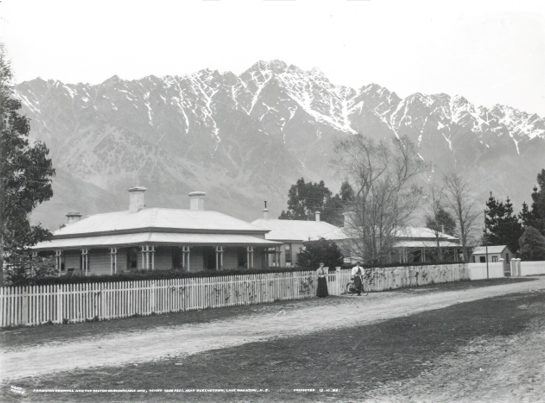
Frankton Hospital 1898
Maternity Services (1900s–1980s)
From the earliest settlement, births took place at home or in private nursing homes with midwives or GPs in attendance.
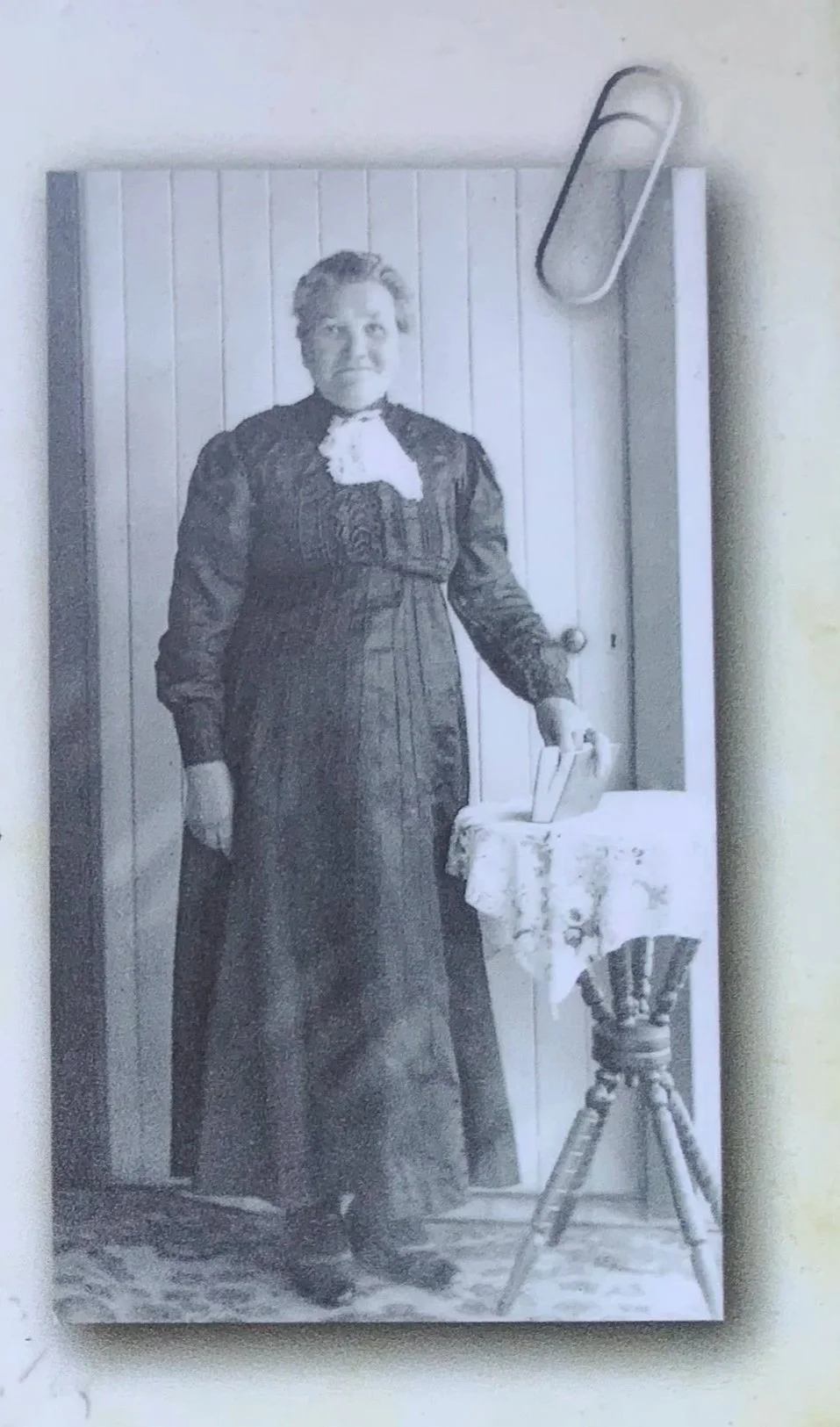
Catherine Philip was one of the early midwives practising in the Wakatipu.
1947: Queenstown opened a public maternity home on the corner of Melbourne and Sydney Streets.
Maternity Era: For over four decades, this standalone facility served as the primary location for local births, offering extended postpartum stays for regional mothers. It closed in 1989 when the new hospital opened.
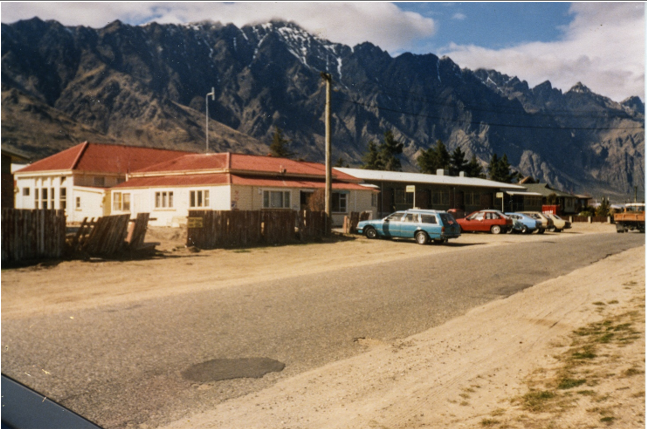
Lakes District Hospital pre-1986 demolition
The Modern Facility & Population Boom (1988–2010s)
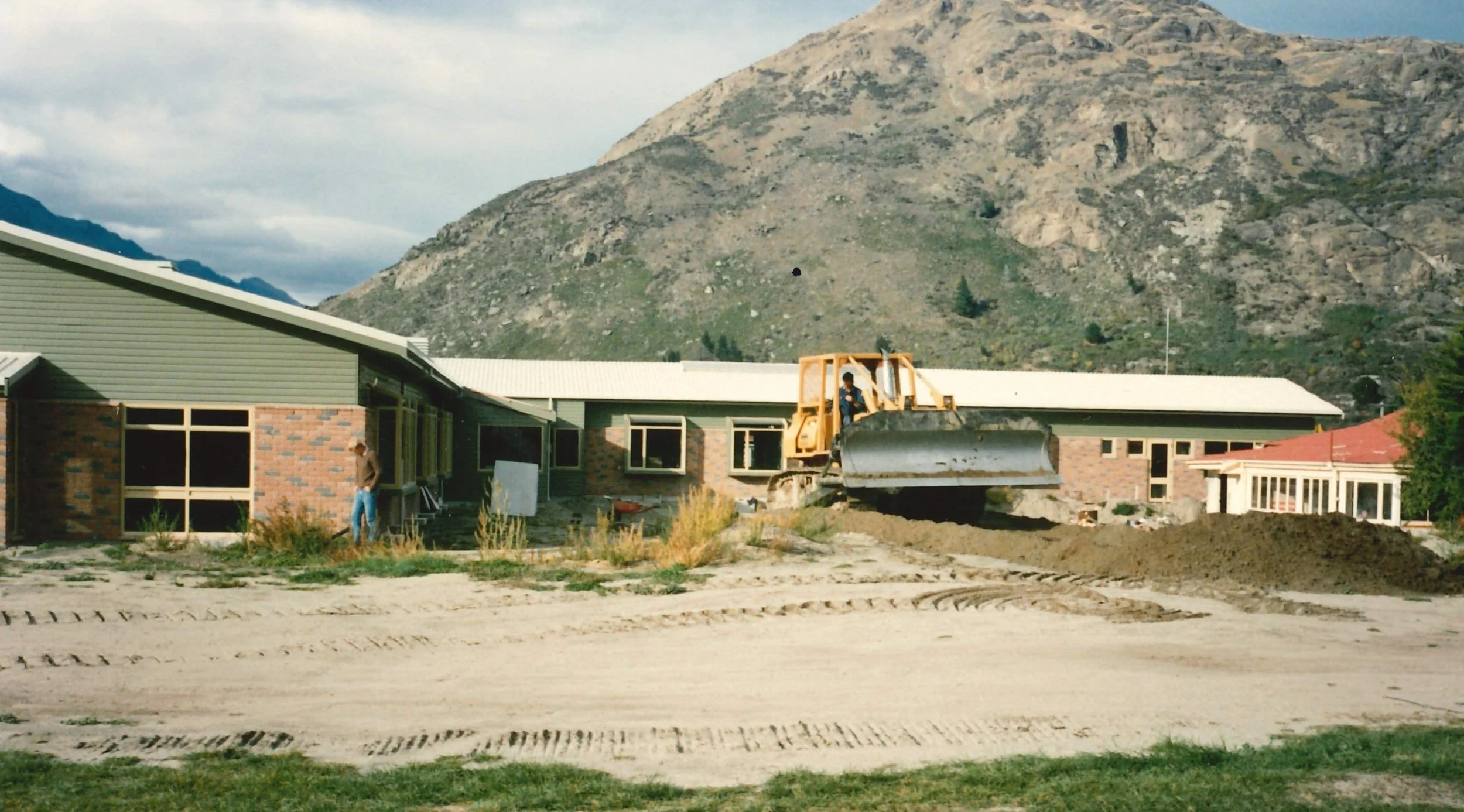
1988: The current Lakes District Hospital building was constructed on its permanent site in Frankton, near the southern edge of the Queenstown Airport.
1989: The central Queenstown maternity home closed, officially transferring regional maternity services to the new Frankton hospital wing.
Capacity Constraints: Built to service a permanent regional population of roughly 4,500 people, the hospital quickly faced immense pressure as Queenstown transformed into a global tourism hub. By 2010 the population of the Queenstown Lakes District had risen to around 27,500.
Infrastructure Upgrades & Contemporary Challenges (2016–Present)
2016: The Lakes District Hospital Foundation was launched with the objective of raising community funds to enhance regional patient amenities and add family spaces.
2019: A major refurbishment added a modern Level 2 Emergency Department, a telehealth suite, and the hospital's first permanent CT scanner.
2022: The Southern District Health Board was integrated into the national health entity, Health New Zealand Te Whatu Ora.
Present Day: Operating with 25 total beds (including 12 acute inpatient beds, 10 ED assessment beds, and 5 maternity beds), the hospital manages over 1,500 emergency presentations per month.
Future Outlook: With the peak day population scaling past 168,000 residents and visitors, Health New Zealand is currently reviewing clinical service plans to address ongoing deficits in regional specialist and maternity care
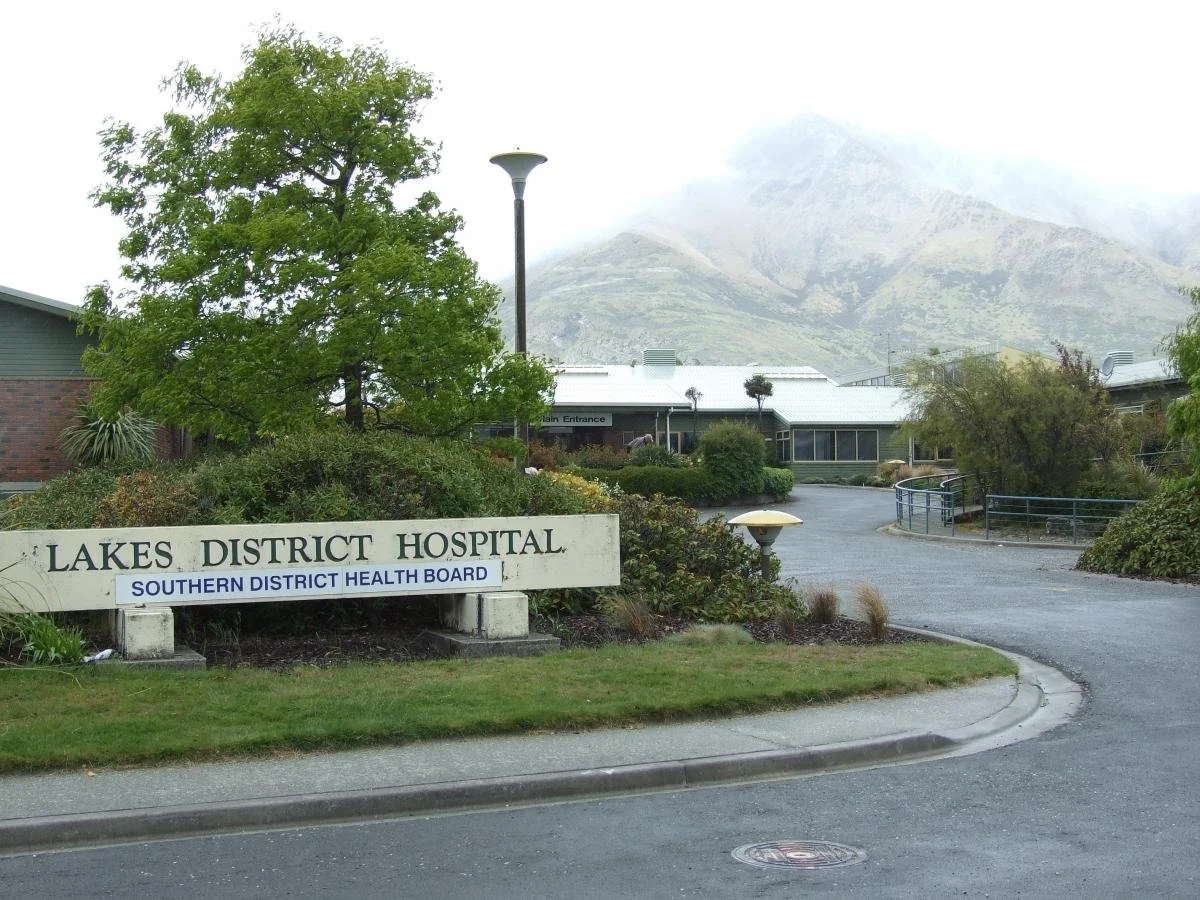
Lakes District Hospital 2026
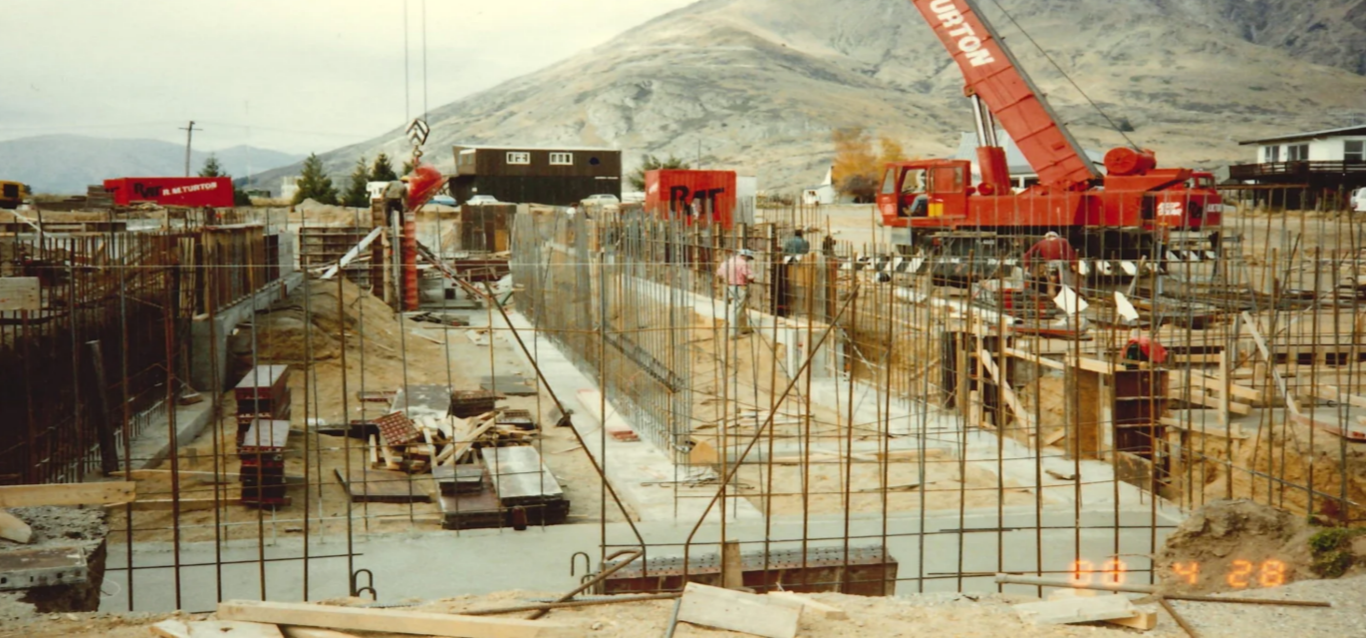
Lakes District Hospital Construction 1988
Lakes District Hospital Construction 1988
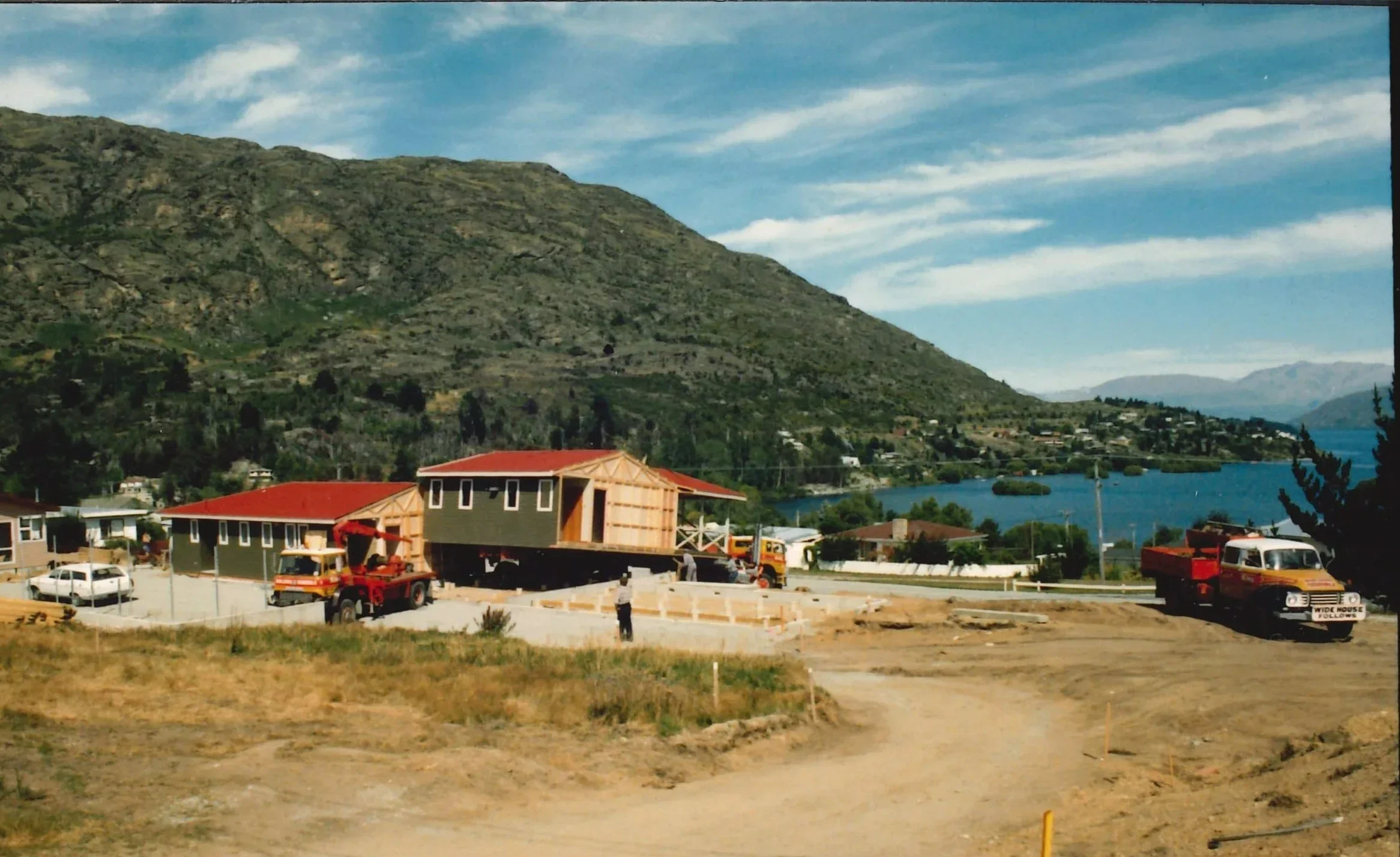
2026: The Modern Boom
The Wider Picture: The broader Queenstown-Lakes District now supports a permanent resident base of roughly 55,000 people. However, due to its global holiday appeal, the average day population (combining locals and tourists) often pushes past 100,000 on any given day.
In May 2026, the government announces plans to improve health facilities in Otago with the first project being a substantial upgrade to the Emergency Department facilities at Lakes District Hospital.
These plans also consider the need for a new hospital to service the Central Lakes area ie primarily Queenstown, Wanaka, Cromwell and Alexandra. The big question is – where will that hospital be located?

Lakes District Hospital Foundation acknowledges the assistance provided by the following in the compiling of this history:
Lakes District Museum
The Queenstown and District Historical Society
Invercargill City Council (Archives)
Would you like to become part of the story of The Lakes District Hospital?
You can give now by making a donation or partnering with us, or give in the future by leaving a gift in your will.